Jul 13, 2026
Fiber Laser Cutting Burrs? Check These Consumables First
Learn which laser cutting consumables to inspect first when burrs appear. Improve cutting quality and reduce downtime with this practical troubleshooting guide.
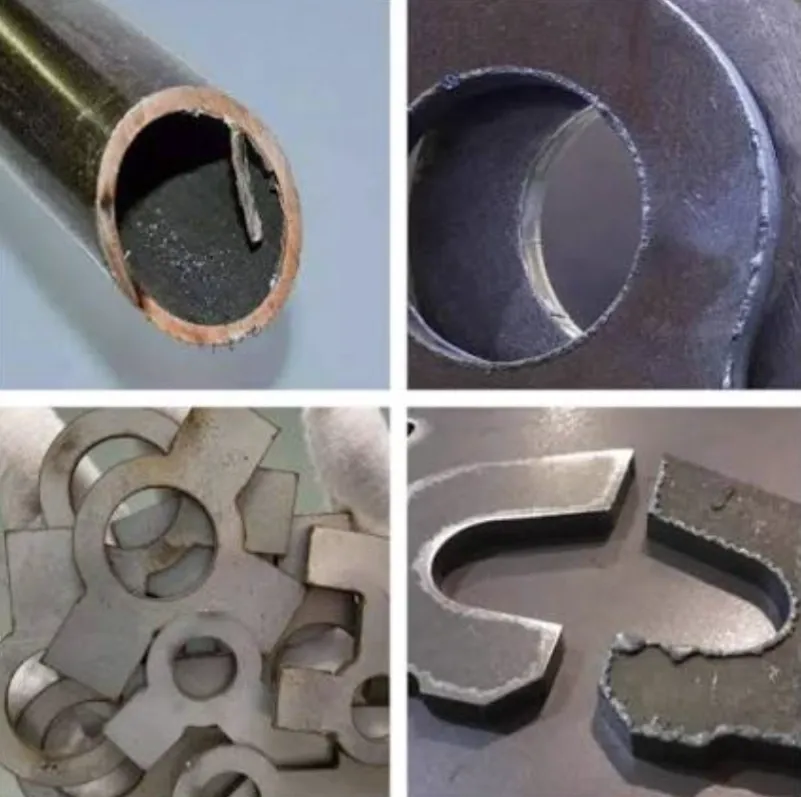
Burrs are one of the most common quality issues in fiber laser cutting. They not only affect the appearance of finished parts but also increase post-processing time and production costs.
Many operators immediately adjust laser parameters when burrs appear. However, in many cases, the real cause is worn or contaminated consumables inside the laser cutting system.
Before changing cutting settings, it is recommended to inspect the key consumable parts first. This simple troubleshooting process can quickly restore cutting quality and reduce machine downtime.
1. Check the Cutting Nozzle
The nozzle is the first consumable that should be inspected.
A damaged or worn nozzle affects assist gas flow and beam alignment, leading to unstable cutting and excessive burr formation.
Common nozzle problems include:
- Deformed nozzle opening
- Spatter attached to the nozzle tip
- Nozzle collision damage
- Poor concentricity
If the nozzle is damaged, replace it immediately. Even minor deformation can significantly reduce cutting quality.
2. Inspect the Protective Lens
A contaminated protective lens reduces laser transmission and causes uneven energy distribution.
Typical signs include:
- Burn marks
- Dust or smoke residue
- Oil contamination
- Coating damage
A dirty protective lens may not trigger an alarm, but it can gradually increase burrs and reduce cutting performance.
Clean or replace the protective lens if contamination is found.
3. Examine the Focus Lens
The focus lens concentrates laser energy onto the workpiece. If the lens is contaminated or damaged, the focal point changes, reducing cutting efficiency.
Check for:
- Scratches
- Cracks
- Burn spots
- Coating deterioration
A damaged focus lens should be replaced to maintain stable cutting quality.
4. Inspect the Ceramic Ring
The ceramic ring is often overlooked during maintenance, but it plays an important role in nozzle positioning and height sensing.
A cracked or loose ceramic ring may cause inaccurate height control, resulting in unstable cutting and burr formation.
If the ceramic ring shows visible damage, replace it before continuing production.
5. Check Assist Gas Quality
Assist gas directly affects slag removal during cutting.
Poor gas quality or unstable pressure may leave molten metal attached to the cutting edge.
Make sure:
- Gas pressure is correct.
- Gas purity meets cutting requirements.
- Filters and pipelines are clean.
Stable gas flow helps produce cleaner cut edges with fewer burrs.
When Consumables Are Not the Cause
If all consumables are in good condition, the next step is to check the cutting process itself.
Review the following factors:
- Focus position
- Laser power
- Cutting speed
- Material thickness
- Material surface condition
Optimizing these parameters can further improve cutting quality after consumables have been verified.
Compatible with Major Fiber Laser Brands
High-quality consumables are essential for maintaining stable cutting performance.
Professional laser cutting systems from Raytools, WSX, Precitec, Bodor, and Hans require reliable consumable parts to achieve consistent results. The same applies to fiber laser sources from IPG, Raycus, and MAX, where stable optical performance depends on properly maintained components.
Choosing compatible, high-quality consumables helps extend equipment life and reduce unexpected downtime.
Burrs are not always caused by incorrect cutting parameters. In many cases, worn consumables are the real reason behind poor cutting quality.
By following a simple inspection sequence—starting with the nozzle, protective lens, focus lens, ceramic ring, and assist gas—you can quickly identify the root cause, reduce maintenance costs, and restore cutting performance.
Regular inspection and timely replacement of consumables are key to achieving consistent, high-quality laser cutting results.