Jun 26, 2026
How to Choose the Right Handheld Laser Welding Machine: A Practical Buyer's Guide
Handheld laser welders beat traditional welding in speed, quality and cost. Selection relies on material and production needs instead of high power only. This guide helps buyers pick suitable machines
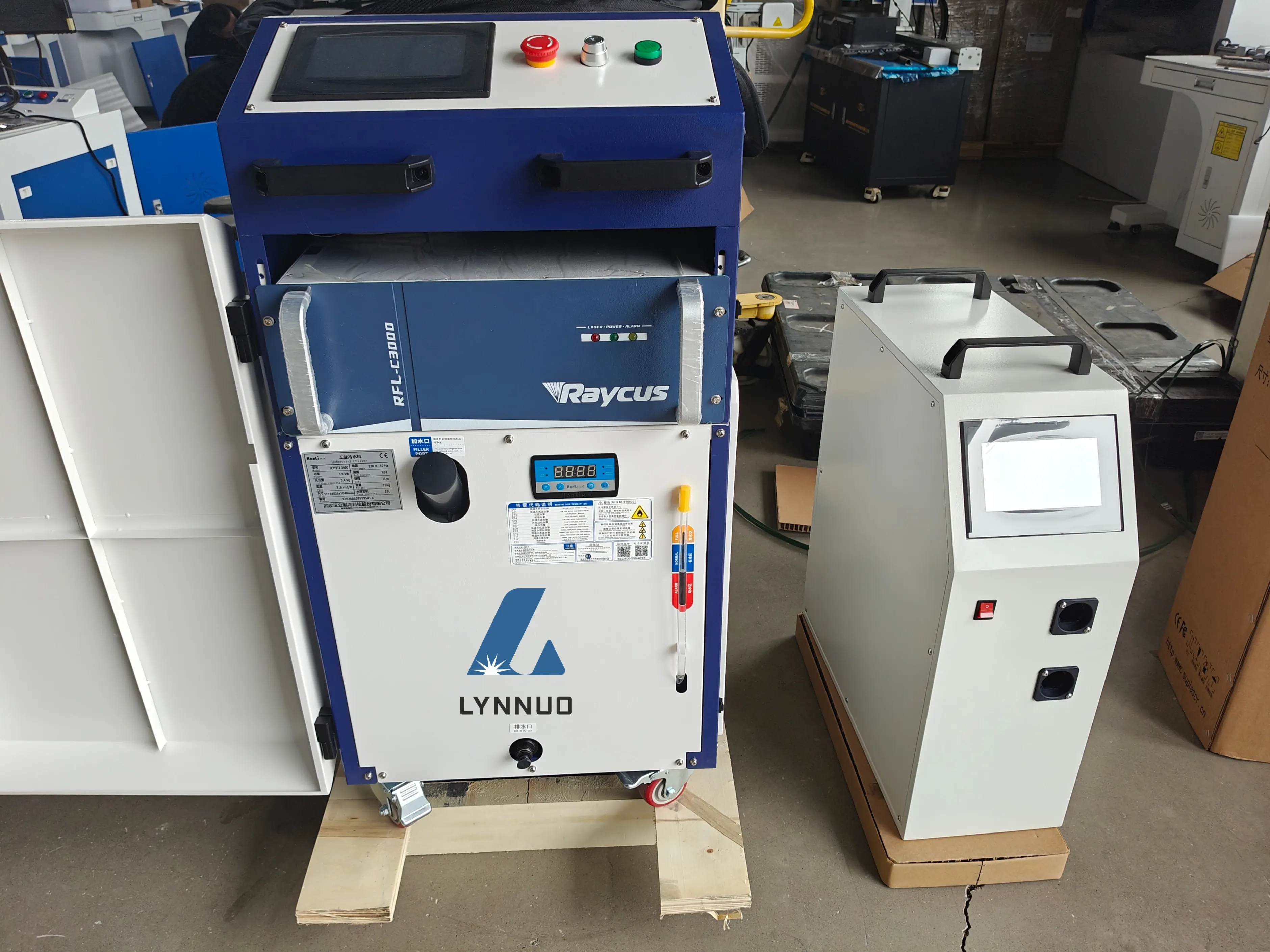
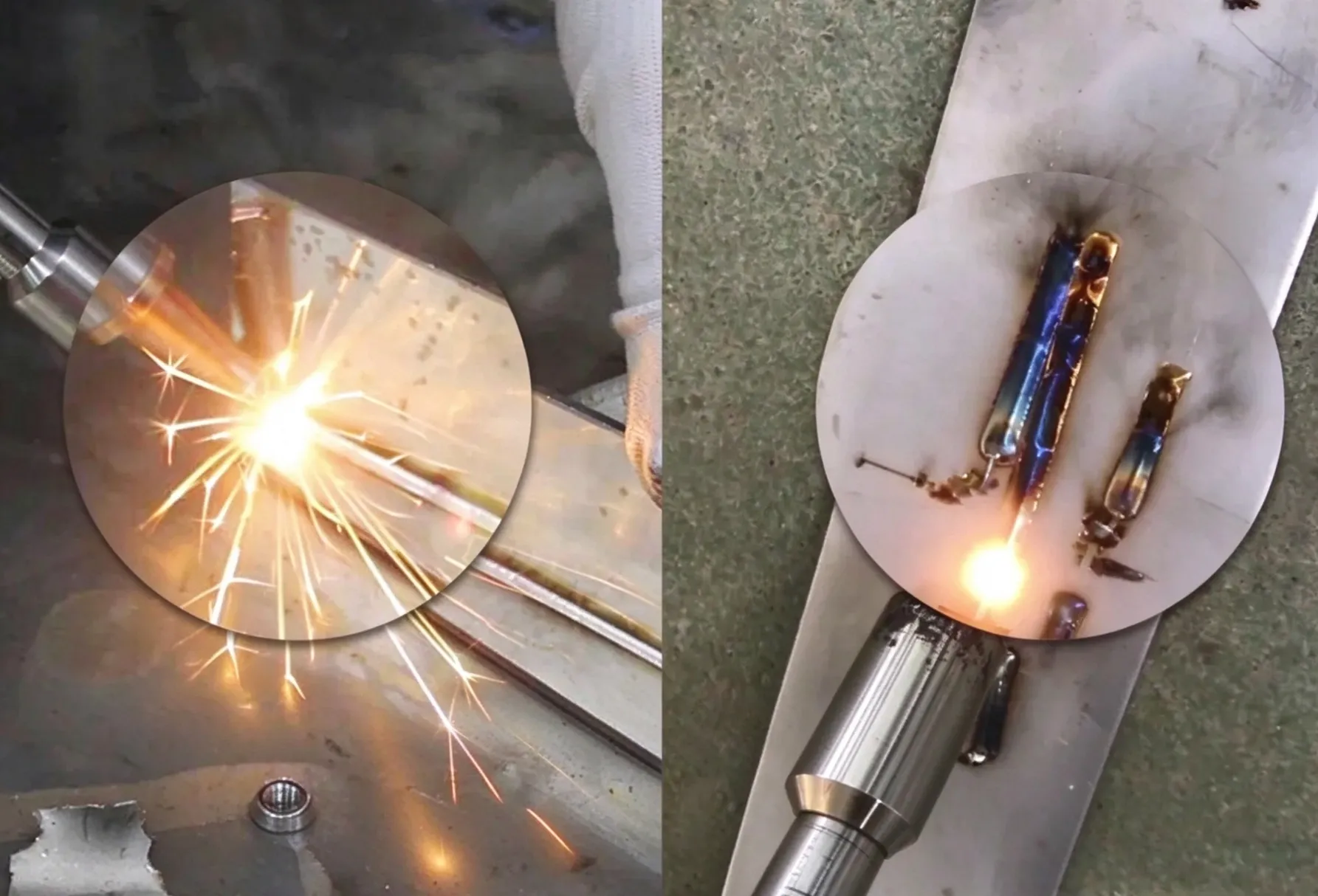
Handheld laser welding machines have become one of the fastest-growing technologies in metal fabrication. Compared with traditional TIG and MIG welding, laser welding offers higher speed, lower heat input, cleaner weld seams, and reduced labor costs.
However, selecting the right machine is not simply about choosing the highest power available. Different materials, thicknesses, production volumes, and working environments require different configurations.
This guide will help manufacturers, distributors, and workshop owners choose the most suitable handheld laser welding machine based on real-world applications and production requirements.
Why More Manufacturers Are Switching to Handheld Laser Welding
Traditional welding methods often require experienced operators and significant post-processing.
In comparison, handheld laser welding can provide:
- Up to 2-4 times faster welding speed than TIG welding
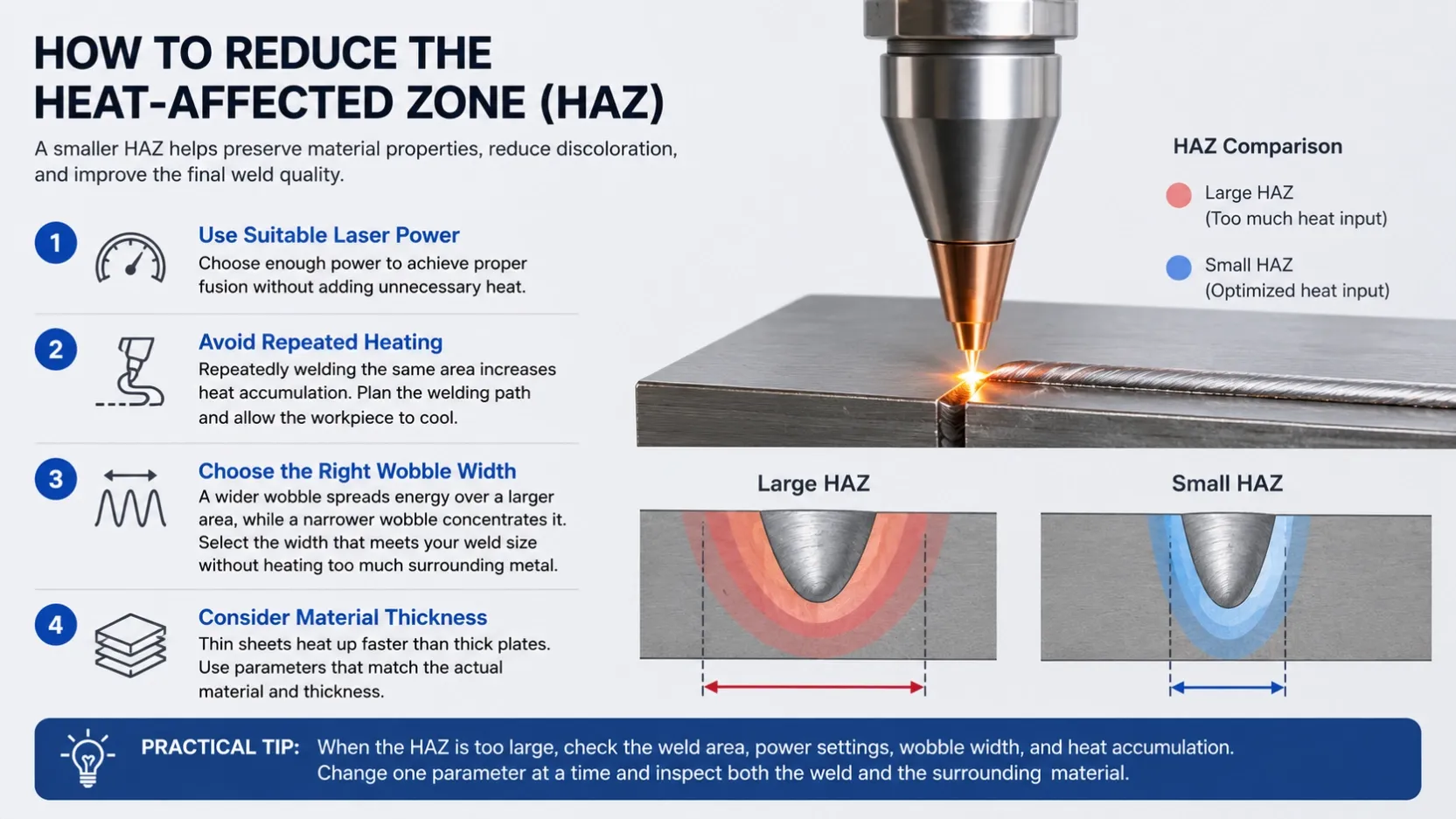
- Reduced heat distortion
- Minimal spatter
- Lower grinding and polishing requirements
- Easier operator training
- Improved weld consistency
For many fabricators, the productivity gains alone can justify the investment.
Step 1: Determine Your Material Type and Thickness
The most important factor when selecting a handheld laser welder is the material you weld most frequently.
Different metals have different reflectivity and thermal conductivity, which directly affect the required laser power.
Recommended Power Selection
Material Thickness | Recommended Power |
|---|---|
0.5-2 mm | 1000W |
2-4 mm | 1500W |
4-6 mm | 2000W |
6-8 mm | 3000W |
8-10 mm | 4000W+ |
These recommendations apply to common materials such as:
- Stainless Steel
- Carbon Steel
- Galvanized Steel
Stainless Steel Welding
Stainless steel is one of the easiest materials to weld using handheld laser systems.
Typical Welding Capacity
Power | Stainless Steel Thickness |
|---|---|
1000W | Up to 3 mm |
1500W | Up to 4 mm |
2000W | Up to 6 mm |
3000W | Up to 8 mm |
For kitchen equipment, metal furniture, cabinets, and decorative products, 1500W and 2000W machines are usually the most economical choice.
Carbon Steel Welding
Carbon steel typically requires slightly more energy input.
Typical Welding Capacity
Power | Carbon Steel Thickness |
|---|---|
1000W | Up to 2.5 mm |
1500W | Up to 4 mm |
2000W | Up to 6 mm |
3000W | Up to 8 mm |
For sheet metal fabrication and industrial equipment manufacturing, 2000W models are often the preferred solution.
Aluminum Welding
Aluminum reflects laser energy and dissipates heat quickly, making it more challenging to weld.
Typical Welding Capacity
Power | Aluminum Thickness |
|---|---|
1500W | Up to 3 mm |
2000W | Up to 5 mm |
3000W | Up to 8 mm |
If aluminum welding is a primary application, a 2000W or higher system is recommended.
Step 2: Consider Your Production Volume
Many buyers focus only on welding thickness while overlooking daily production requirements.
Ask yourself:
Small Workshops
Daily operation:
- Less than 4 hours
- Light fabrication work
Recommended:
- 1000W Air-Cooled
- 1500W Air-Cooled
Advantages:
- Lower investment
- Compact design
- Easy maintenance
Medium Fabrication Shops
Daily operation:
- 6-10 hours
Recommended:
- 1500W Water-Cooled
- 2000W Water-Cooled
Advantages:
- Better stability
- Longer continuous operation
- Higher welding speed
Industrial Manufacturing
Daily operation:
- Multiple shifts
- Continuous production
Recommended:
- 3000W Water-Cooled
- 4000W Water-Cooled
Advantages:
- Maximum productivity
- Deep penetration
- Superior duty cycle
Step 3: Air-Cooled vs Water-Cooled
This is one of the most common questions from buyers.
Air-Cooled Laser Welders
Advantages:
- Lightweight
- Portable
- Easy installation
- Lower maintenance
Suitable for:
- Small workshops
- On-site welding
- Metal furniture
- Stainless steel products
Recommended power range:
800W-1500W
Water-Cooled Laser Welders
Advantages:
- Better thermal management
- Continuous operation
- Higher power capability
- Longer component lifespan
Suitable for:
- Industrial production
- Thick materials
- High-volume fabrication
Recommended power range:
1500W-6000W
Step 4: Evaluate the Welding Head
The welding head directly affects user experience and weld quality.
When selecting a machine, look for:
Ergonomic Design
A lightweight welding gun reduces operator fatigue during long shifts.
Stable Wire Feeding
For gap filling applications, stable wire feeding improves weld consistency.
Safety Features
Essential protections include:
- Emergency stop
- Laser interlock
- Temperature monitoring
- Water flow protection
- Gas pressure alarm
Step 5: Pay Attention to Core Components
The overall performance of a handheld laser welding machine depends heavily on its core components.
Laser Source
Widely recognized brands include:
- IPG
- Raycus
- MAX
Welding Head
Common industry brands include:
- SUP
- Raytools
- WSX
- Precitec
Chiller System
A high-quality chiller helps maintain stable laser output and extends equipment life.
Step 6: Consider After-Sales Support
Even the most reliable machine requires technical support and spare parts availability.
Before purchasing, ask your supplier:
- What is the warranty period?
- Are spare parts stocked locally?
- Is remote technical support available?
- How quickly can replacement parts be shipped?
For overseas buyers, response time is often more important than the machine price itself.
Common Buying Mistakes
Choosing the Highest Power Available
Higher power does not always mean better performance.
An oversized machine increases:
- Initial investment
- Energy consumption
- Maintenance costs
without necessarily improving productivity.
Ignoring Future Production Growth
Many businesses purchase based on current requirements only.
If production is expected to increase within the next 2-3 years, investing in a slightly higher-powered system may provide better long-term value.
Focusing Only on Price
A low-cost machine may result in:
- Lower welding quality
- Higher maintenance costs
- More downtime
- Reduced productivity
The true cost of ownership extends far beyond the purchase price.
Final Thoughts
Choosing the right handheld laser welding machine requires balancing material type, thickness, production volume, cooling method, and long-term operational needs.
For most fabrication businesses:
- 1000W-1500W is ideal for thin materials and light-duty work.
- 2000W offers the best balance between performance and cost.
- 3000W+ is recommended for industrial production and thicker materials.
Rather than asking, "What is the most powerful machine available?", the better question is:
"What machine best matches my production requirements?"
Making the right choice today can significantly improve welding quality, production efficiency, and profitability for years to come.