Jul 15, 2026
When Should You Replace a Laser Ceramic Ring? 6 Signs You Shouldn't Ignore
Learn when to replace a laser ceramic ring, the warning signs to watch for, and how proper maintenance improves fiber laser cutting quality and reduces downtime.
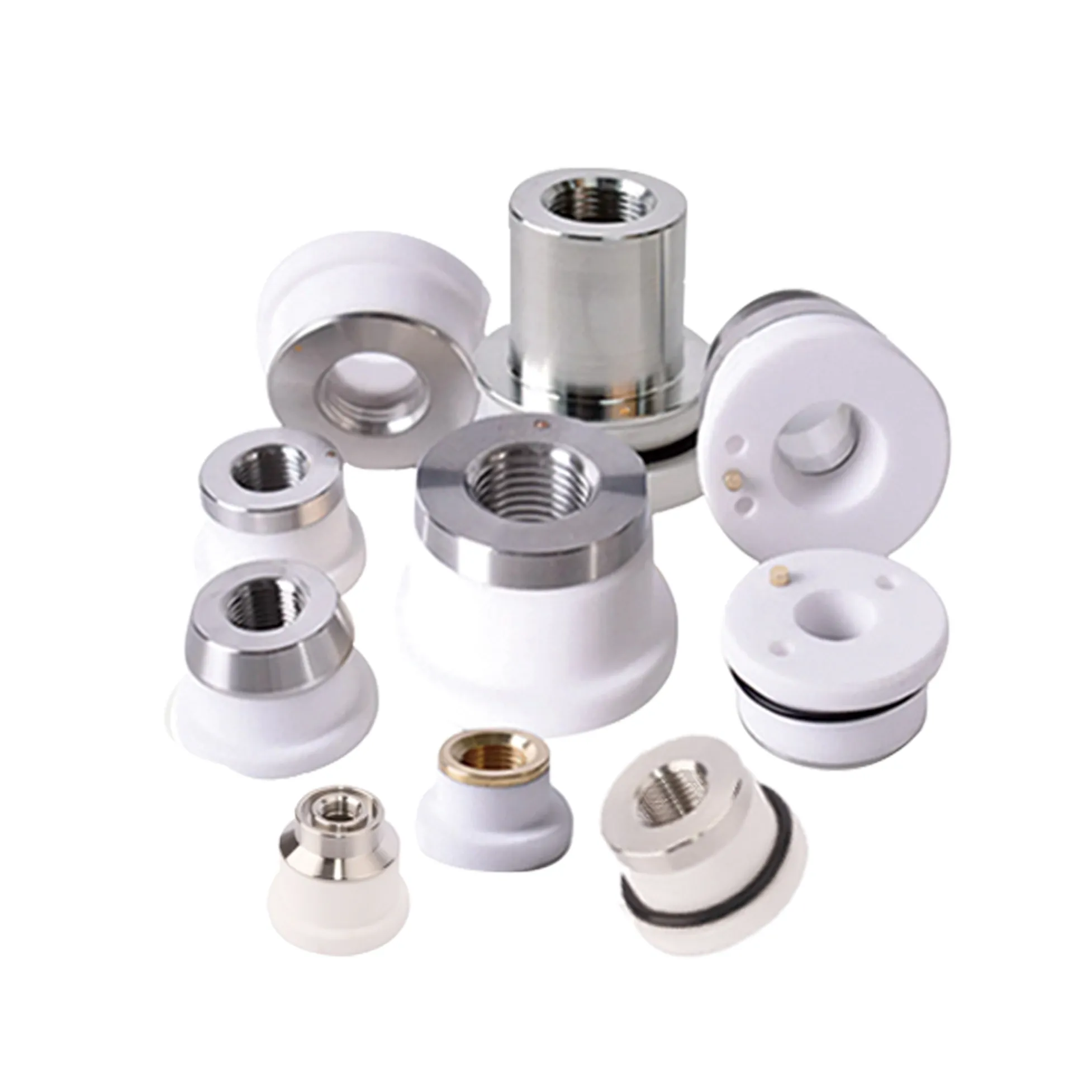
The laser ceramic ring is a small but essential component in a fiber laser cutting head. It supports the cutting nozzle, transfers the height sensing signal, and helps maintain accurate cutting distance throughout the cutting process.
Because it is inexpensive compared with other optical components, the ceramic ring is often overlooked during routine maintenance. However, a damaged or worn laser ceramic ring can lead to unstable cutting, frequent nozzle collisions, poor edge quality, and unnecessary downtime.
So, when should you replace a laser ceramic ring? Here are the six most common signs.
1. Visible Cracks or Chips
A ceramic ring should be replaced immediately if you notice any cracks, chipped edges, or surface damage.
Although the cutting head may continue to operate, a damaged ceramic ring can no longer provide stable support for the nozzle. Even small cracks may affect height sensing accuracy and increase the risk of cutting defects.
Always inspect the ceramic ring visually during routine maintenance.
2. Frequent Nozzle Collisions
If the cutting nozzle frequently hits the workpiece despite correct cutting parameters, the ceramic ring could be part of the problem.
A worn or damaged ceramic ring may prevent the nozzle from staying perfectly centered, resulting in unstable cutting height and unexpected collisions.
Replacing the ceramic ring is often a quick and cost-effective solution.
3. Unstable Height Sensing
Modern fiber laser cutting heads rely on capacitive height sensing to maintain the correct distance between the nozzle and the material.
If the ceramic ring becomes damaged or contaminated, the sensing signal may become unstable, causing:
- Inconsistent cutting height
- Interrupted cutting
- Uneven cut edges
- Increased burr formation
Stable height control depends on a properly functioning ceramic ring.
4. Burn Marks or Heat Damage
High temperatures, molten metal spatter, and accidental collisions can damage the ceramic ring over time.
If you notice:
- Burn marks
- Surface discoloration
- Melted areas
- Carbon deposits
the ceramic ring should be replaced before it affects cutting performance.
5. Poor Cutting Quality After Replacing Other Consumables
If you have already replaced the nozzle and protective lens but still experience poor cutting quality, do not overlook the ceramic ring.
A damaged ceramic ring can indirectly affect:
- Nozzle alignment
- Gas flow stability
- Height control
As a result, burrs, rough edges, or unstable cutting may continue even though other consumables are new.
6. Long Service Time
Like other laser consumables, ceramic rings have a limited service life.
The replacement interval depends on several factors, including:
- Daily operating hours
- Laser power
- Material type
- Working environment
- Frequency of nozzle collisions
Instead of waiting for complete failure, regular inspection and preventive replacement can reduce unexpected downtime and improve production efficiency.
# Tips to Extend Laser Ceramic Ring Life
Although ceramic rings are consumable parts, proper maintenance can significantly extend their service life.
Recommended practices include:
- Inspect the ceramic ring during every nozzle replacement.
- Keep the mounting surface clean.
- Avoid overtightening the nozzle.
- Replace damaged nozzles promptly to prevent secondary damage.
- Minimize nozzle collisions by maintaining correct cutting height.
Routine inspection helps prevent larger maintenance problems.
The laser ceramic ring may be a small component, but it plays a vital role in the stability of every fiber laser cutting system.
If you notice cracks, unstable height sensing, frequent nozzle collisions, burn marks, or persistent cutting quality issues, it is time to inspect and replace the ceramic ring.
Regular maintenance and timely replacement of laser consumables not only improve cutting quality but also help protect more expensive components inside the laser cutting head.
Selecting high-quality laser ceramic rings is a simple investment that supports long-term performance, lower maintenance costs, and higher production efficiency.